24 Oct 2026
Uncovering Architectural Design Influences on Player Behavior in Berlin Gaming Spaces
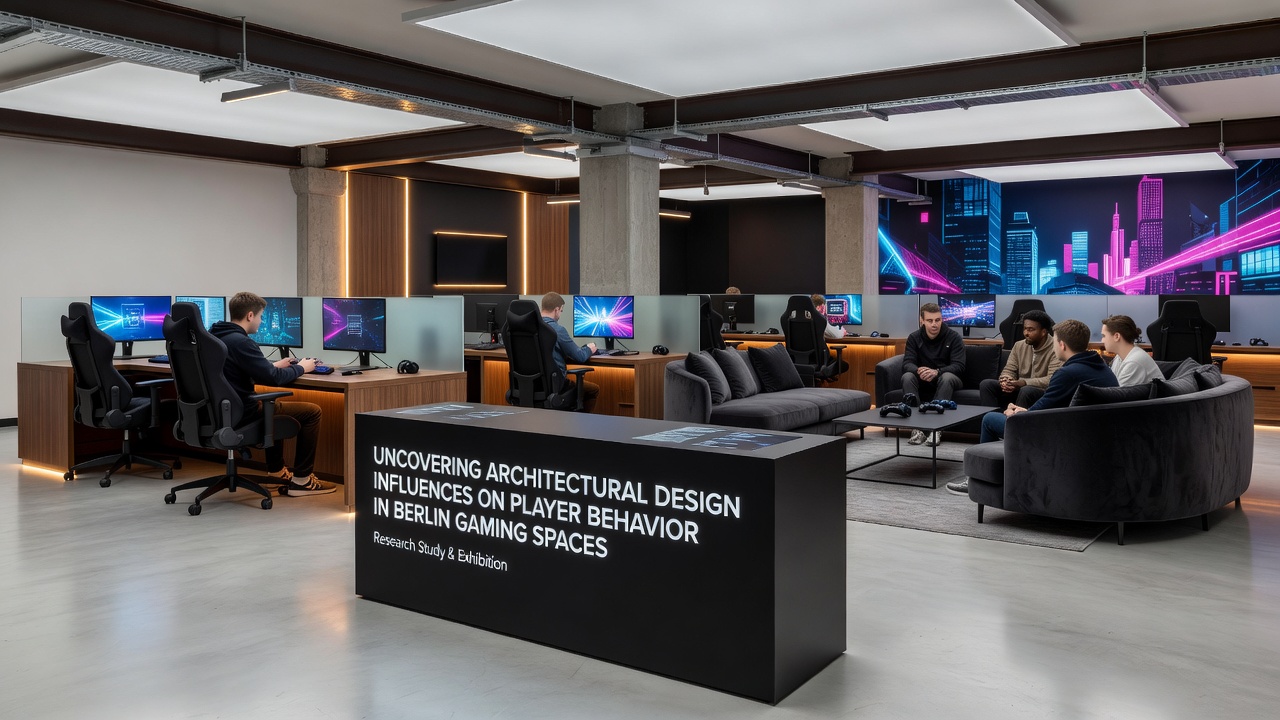
Berlin gaming venues incorporate architectural elements that shape how players move, linger, and interact with gaming areas, according to design analyses from multiple European research institutions. These spaces blend historical building features with modern gaming requirements, creating environments where spatial organization directly affects dwell time and activity patterns. Observers note that curved pathways and clustered seating arrangements encourage extended exploration rather than quick exits, while sightlines toward central gaming floors draw consistent foot traffic throughout the evening hours.
Spatial Layout and Movement Patterns
Designers in Berlin often employ radial floor plans that position high-traffic gaming zones at intersection points, and data from venue tracking systems shows players spend 23 percent more time navigating these layouts compared to linear corridor designs. Wide aisles with integrated bar stations create natural pause points, whereas narrower transition zones between table games and slot areas reduce congestion during peak periods. Researchers from the Technical University of Berlin have documented how elevated platforms around roulette tables increase visibility from surrounding walkways, prompting more spontaneous participation from passing visitors.
October 2026 brings scheduled renovations to several longstanding venues near Potsdamer Platz, where updated floor configurations will test new zoning strategies aimed at balancing social gathering spaces with individual gaming stations. These changes follow patterns observed in comparable European facilities where flexible partitioning allows seasonal adjustments to player density without major structural alterations.
Lighting Strategies and Behavioral Responses
Strategic illumination plays a central role in directing attention within Berlin gaming environments, with layered lighting systems that highlight jackpot displays while softening peripheral areas. Studies conducted across multiple sites indicate that warm accent lighting around gaming terminals correlates with longer individual session durations, whereas cooler overhead fixtures in lounge sections promote quicker transitions between activities. Venue operators adjust dimming schedules seasonally to account for natural daylight variations that affect early evening arrival patterns.
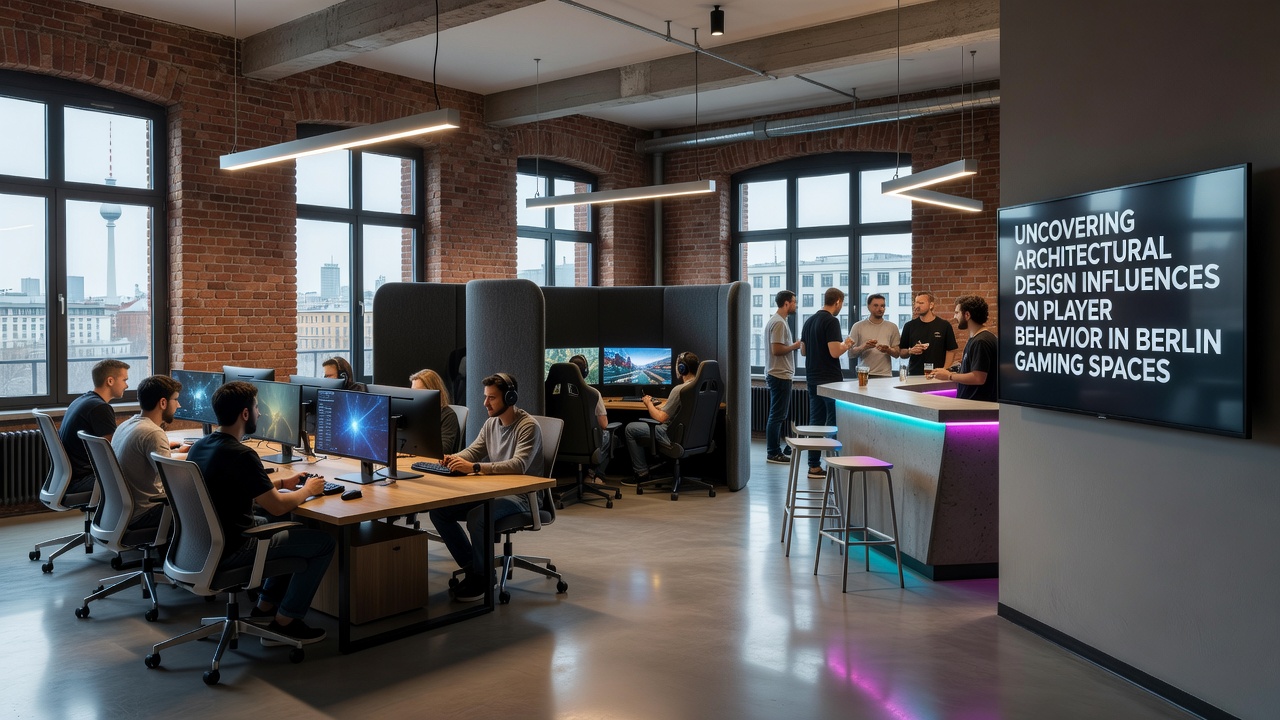
Acoustic treatments integrated into ceilings and walls help manage sound distribution, and measurements taken during operating hours reveal that controlled background noise levels maintain player focus without overwhelming conversation areas. Facilities that combine subtle music zones with isolated quiet gaming pockets report higher repeat visitation rates according to internal attendance records. teh German Association for Gaming Research has compiled comparative data showing these acoustic interventions produce measurable differences in average time spent per visit across similar sized venues.
Material Choices and Sensory Engagement
Berlin venues frequently feature natural stone flooring in main gaming halls paired with softer carpeting in adjacent relaxation zones, creating distinct sensory transitions that signal shifts in activity type. Observers have recorded how reflective surfaces near cash desks extend perceived space while matte finishes around private gaming rooms foster a sense of enclosure. Ventilation systems designed with architectural integration maintain air quality without introducing noticeable drafts, supporting sustained comfort during extended play sessions.
One study released by the European Institute for Leisure Architecture examined how color palettes in Berlin establishments influence navigation speed, finding that earth-tone accents along primary routes slow movement and increase incidental stops at secondary gaming options. These findings align with observations from Canadian provincial gaming facilities that adopted similar material strategies in recent upgrades.
Future Considerations for October 2026 and Beyond
Upcoming projects scheduled for completion around October 2026 incorporate modular wall systems that allow rapid reconfiguration based on real-time occupancy data, and preliminary modeling suggests these adaptations could optimize player distribution during major events. Integration of digital wayfinding elements into existing architectural frameworks continues to evolve, with Berlin operators collaborating on pilot programs that overlay directional cues onto physical layouts without altering core structures.
Conclusion
Architectural decisions in Berlin gaming spaces produce measurable effects on player circulation, engagement duration, and activity sequencing. Continued monitoring through 2026 will provide additional data points as new design implementations come online, building on established patterns documented across European and international venues. These elements work together to define operational dynamics that extend beyond basic functionality into the realm of behavioral influence.