10 Oct 2026
Illinois Gambling Tax Collections Reach All-Time High of $2.7 Billion in Fiscal 2026

Illinois collected a record $2.7 billion in gambling-related tax revenue during teh fiscal year that ran from July 2025 through June 2026, according to figures compiled for the Illinois General Assembly. The total marked a 19.2 percent increase over the previous fiscal year and represented roughly a 90 percent rise since fiscal year 2019. Revenue streams included taxes from casinos, sports wagering, video gaming terminals, and the state lottery, with sports betting and video terminals driving much of the recent acceleration.
Breakdown of Revenue Sources
Sports wagering contributed significantly through the popularity of parlay bets, while video gaming terminals posted steady gains across the state. The lottery maintained its established position within the overall mix, and traditional casino operations added to the totals even as new permanent facilities continued to come online. Observers note that the combined effect pushed the annual figure past previous benchmarks and reflected broader participation across multiple gaming formats.
Data shows that expansion of permanent casino locations coincided with the revenue increase, creating additional tax-generating capacity in several regions. New gaming options, including expanded video terminal placements, further supported the upward trajectory during the twelve-month period. Those who track state finances point to these developments as key factors in the sustained growth pattern that began after fiscal year 2019.
Growth Patterns Across Categories
Sports betting experienced particularly strong momentum, fueled in large part by parlay wagering activity that boosted handle and subsequent tax collections. Video gaming terminals also recorded robust performance, with increased machine counts and player engagement contributing to higher returns. The lottery segment provided a stable base, while casino taxes reflected both existing operations and the gradual rollout of newer venues.
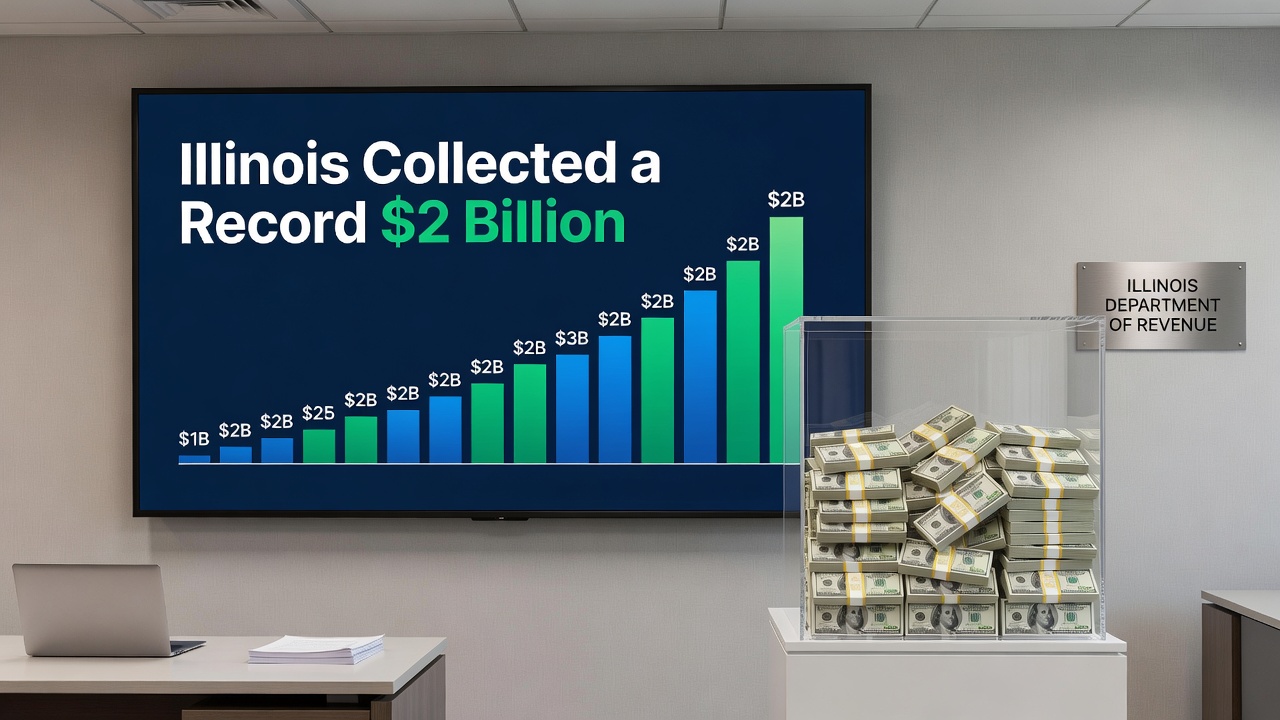
By October 2026, state officials had finalized and released the full-year totals, allowing comparisons against earlier periods. The 19.2 percent year-over-year jump stood out against the longer-term doubling that occurred since fiscal year 2019. Analysts reviewing the Annual Wagering Report (fiscal year 2026 edition) highlighted how sports wagering and video terminals accounted for outsized portions of the added revenue.
Context of Ongoing Expansion
Construction and licensing of additional permanent casinos progressed during the same period, positioning more facilities to generate tax revenue in future years. Regulatory approvals for new gaming options also moved forward, expanding the overall market footprint. These structural changes aligned with the observed revenue increases and provided capacity for continued collections beyond the fiscal 2026 results.
Monthly data released by the Illinois Gaming Board offered incremental snapshots that ultimately summed to the annual record. The combination of established lottery sales, growing sports wagering volume, and rising video terminal play created a diversified base that proved resilient across economic conditions. Those monitoring the sector note that the 90 percent cumulative increase since 2019 illustrates the scale of market development over seven years.
Conclusion
The fiscal 2026 results established a new benchmark for Illinois gambling tax revenue at $2.7 billion, driven by measurable gains in sports betting and video terminals alongside steady contributions from casinos and the lottery. Expansion of permanent facilities and additional gaming formats provided the infrastructure supporting the increase. Figures released in October 2026 confirmed both the 19.2 percent annual rise and the longer-term growth trajectory since fiscal year 2019, supplying state lawmakers with updated data for budgeting and policy considerations.