26 Sep 2026
Berlin's Gaming Venues Through the Decades: Milestones and Transformations
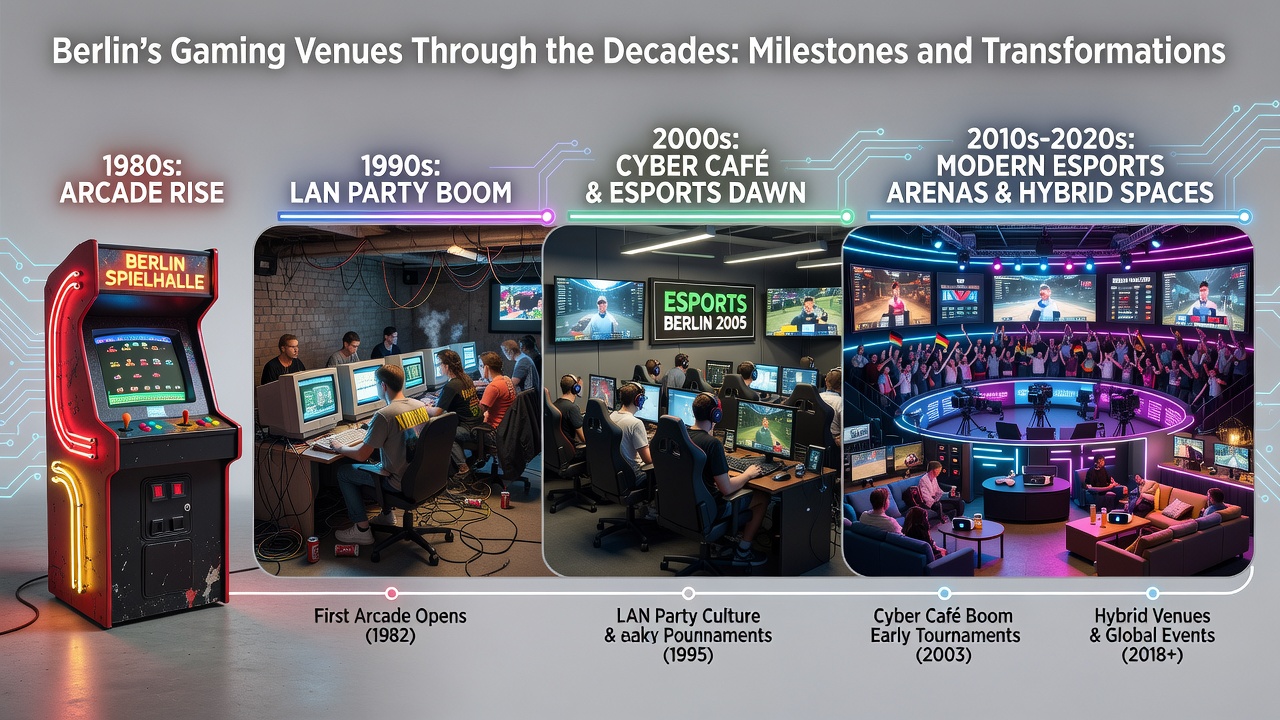
Berlin's gaming venues trace their roots to the early decades of the twentieth century when establishments in the Weimar Republic combined card rooms with live entertainment and drew crowds from across Europe. Records from municipal archives show that by 1925 more than thirty licensed Spielhallen operated in central districts and many remained open until the early hours. These spaces often featured roulette alongside variety acts, and city ledgers list annual tax revenues that climbed steadily through the late 1920s.
Post-War Reconstruction and Division
After 1945 the city lay in ruins, yet gaming activity resumed within months as occupying authorities issued temporary permits for small card clubs in both eastern and western sectors. West Berlin saw the first purpose-built venue reopen in 1951 near the Kurfürstendamm, while East Berlin authorities approved limited operations inside state-run cultural houses by 1953. Attendance figures compiled by local statistical offices indicate that combined visitor numbers exceeded two hundred thousand annually by the end of the decade, even as regulatory differences widened between the two halves of the city.
The construction of the Berlin Wall in 1961 separated player bases and supply chains for gaming equipment. Venues on the western side began importing American slot machines through allied trade channels, whereas eastern establishments relied on domestically produced mechanical wheels. Historians examining licensing documents note that western operators introduced nightly tournaments in the 1970s to maintain attendance, a practice that later spread to other German cities.
Reunification and Expansion
Following the fall of the Wall in 1989, dozens of new applications for gaming licenses reached city offices within the first twelve months. Data compiled by the Berlin Senate Administration for the Interior records that the number of licensed premises rose from forty-two in 1990 to ninety-seven by 1995. Many former border-zone buildings were converted into larger halls that accommodated both traditional table games and the emerging generation of video terminals. Industry reports from the same period show average floor space per venue increased by thirty-five percent during those years.
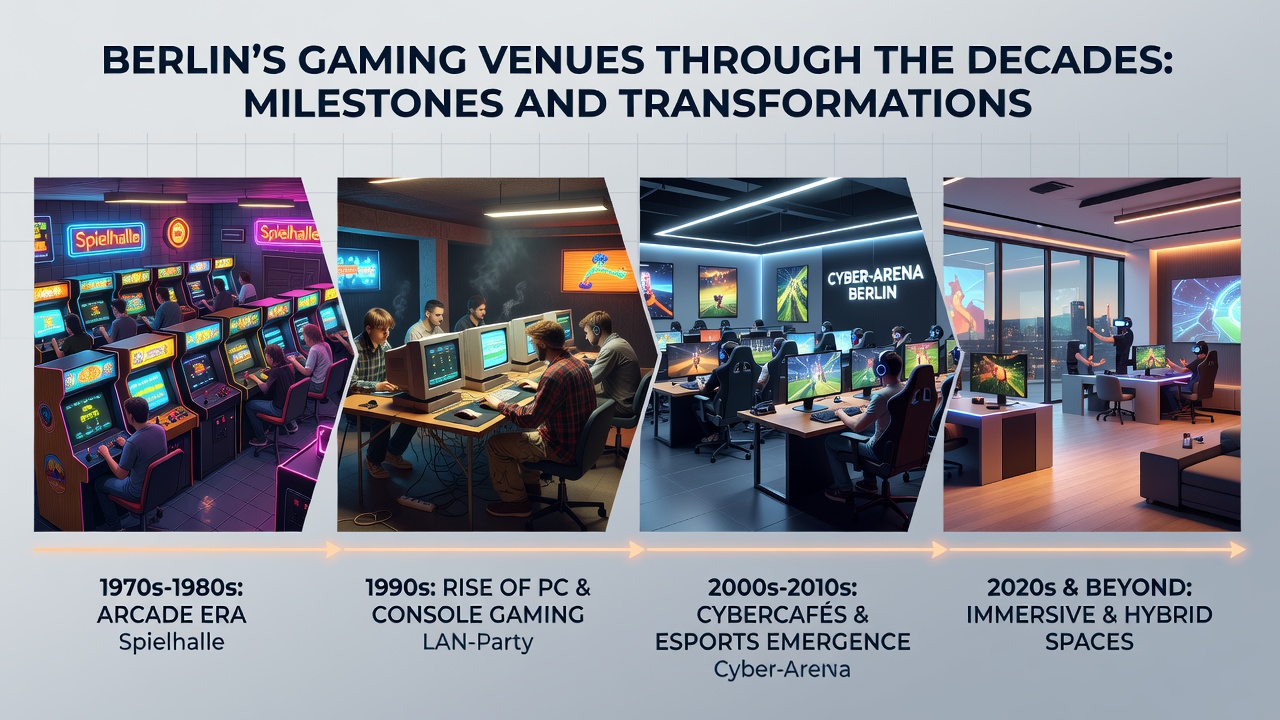
By the early 2000s integrated cashless payment systems appeared in several flagship locations, reducing transaction times and allowing operators to track play patterns more precisely. A 2008 study published by Humboldt University researchers examined transaction logs from five major venues and found that electronic payments accounted for sixty-two percent of all wagers within two years of installation.
Digital Integration and Recent Milestones
The 2010s brought further shifts as operators linked physical terminals to central servers for real-time monitoring required under updated state treaties. Venues began offering hybrid events that combined live dealer tables with remote participation options, a development tracked in annual reports issued by the German Association for Gaming Research. Participation data collected between 2015 and 2020 reveal steady growth in mixed-format evenings, particularly among younger demographics.
September 2026 marks the scheduled completion of a multi-year refurbishment project at a historic site near Alexanderplatz, where original 1920s architectural elements will be preserved alongside new digital infrastructure. City planning documents indicate the updated facility will include expanded esports viewing areas and interactive historical exhibits drawn from municipal archives. Similar projects are under discussion for two additional districts, according to statements released by the Berlin Chamber of Commerce.
Conclusion
Over more than a century Berlin's gaming venues have adapted to political upheaval, technological change, and shifting regulatory frameworks while maintaining continuous operation. Archival records, licensing statistics, and academic analyses together document each phase of transformation from the Weimar cabaret halls through post-war division and into the current era of connected play. The pattern of incremental modernization alongside preservation of historic spaces continues as operators prepare facilities for the next set of milestones expected in 2026 and beyond.