12 Sep 2026
Berlin's Casino Dining Scenes: Where Culinary Craft Meets Table Games
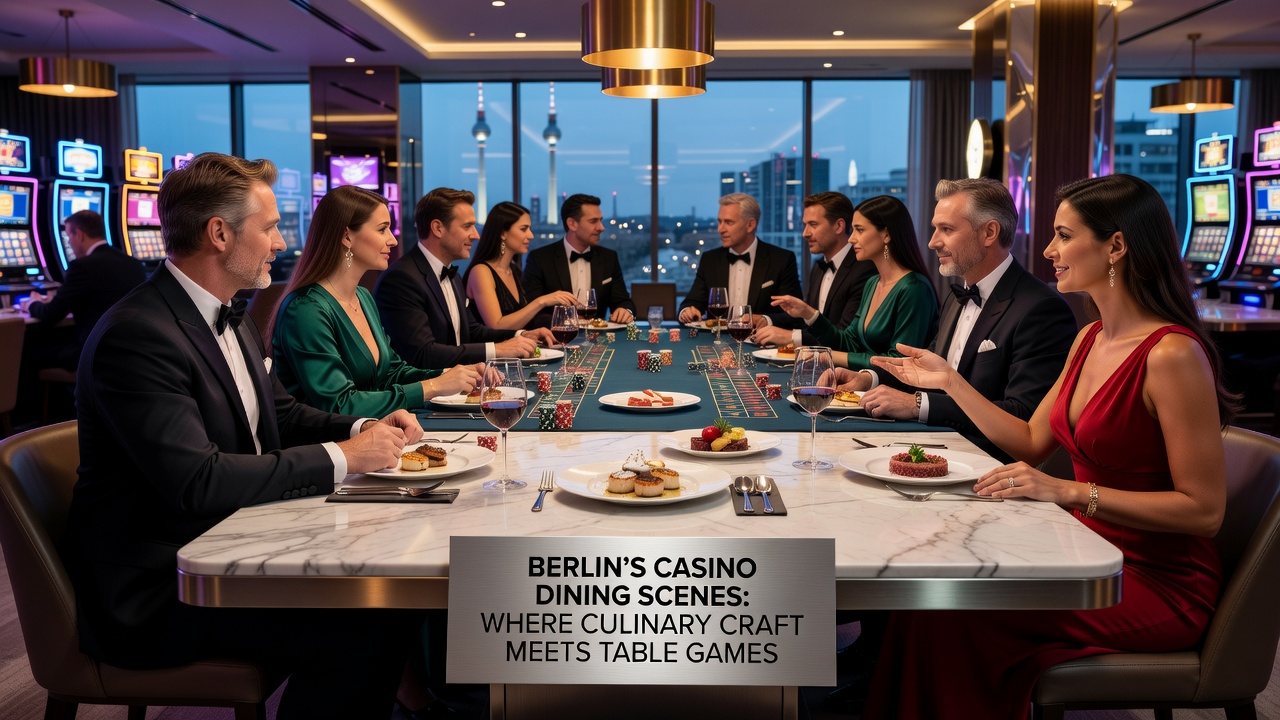
Berlin's casino establishments integrate dining options directly with gaming floors, creating environments where visitors move between table games and restaurant seating without leaving the premises. Multiple venues across the city feature dedicated culinary spaces that serve meals prepared with regional ingredients alongside standard casino operations, and data from the German Federal Ministry of Health shows consistent visitor patterns that combine food service with gambling activities throughout the year.
Integration of Culinary Spaces and Gaming Areas
Operators design layouts so that restaurant sections sit adjacent to roulette and blackjack tables, allowing patrons to place bets and then transition to meals in the same visit. This setup appears in facilities like Spielbank Berlin, where kitchen staff prepare dishes while gaming continues nearby, and observers note that such proximity supports longer stays as people alternate between activities. Research from the European Commission on gambling trends indicates that integrated food services contribute to extended session times in regulated markets across member states, and similar patterns hold in Berlin's licensed locations.
Chefs at these venues often draw from German and international cuisines, with menus listing items such as seasonal vegetable preparations, grilled meats, and lighter fare designed for quick consumption between rounds. Staff coordinate service so that tables remain available during peak gaming hours, which typically run from afternoon through late evening, and records maintained by local authorities document steady demand for both early and late dining slots.
Menu Development and Regional Influences
Culinary teams update offerings based on available produce from Brandenburg suppliers, incorporating potatoes, root vegetables, and freshwater fish into plates that complement the casino atmosphere. One establishment introduced a fixed evening menu in 2024 that pairs entrees with non-alcoholic beverages, responding to regulations that limit alcohol service near gaming zones. Figures released by the Deutsches Institut für Wirtschaft reveal that food and beverage revenue at Berlin casinos accounts for a measurable portion of overall income, separate from table game and slot proceeds.
Visitors encounter options ranging from full-course dinners to bar snacks, with seating arranged to maintain sightlines toward active gaming areas in many cases. This arrangement lets groups split their time, with some members continuing play while others dine, and operational reports confirm that such flexibility reduces the need for patrons to exit and re-enter the building.
Events and Seasonal Programming
Special dining events tied to gaming tournaments occur several times annually, including themed nights where menus feature dishes matched to specific table game promotions. In September 2026, multiple Berlin casinos plan coordinated tastings that align with international poker series, featuring multi-course meals served during scheduled breaks in play. These programs follow guidelines set by the Gemeinsame Glücksspielbehörde der Länder, which oversees licensing for both gambling and associated hospitality services.
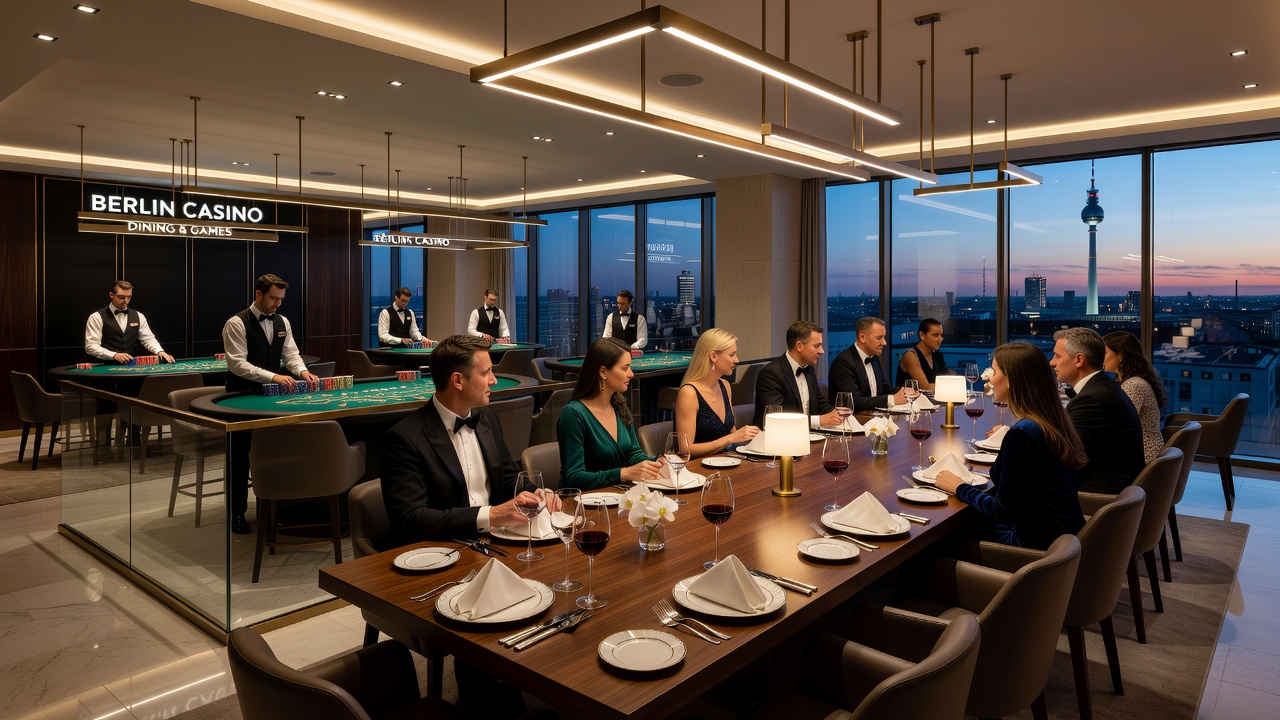
Academic studies from the University of Sydney's Gambling Research Unit have examined how food availability affects decision-making during gambling sessions, and their findings apply to European settings where similar service models operate. Berlin venues adjust portion sizes and service speed accordingly, ensuring meals do not interrupt ongoing games for extended periods.
Staff Training and Operational Standards
Personnel receive instruction in both hospitality and gaming regulations, enabling waitstaff to handle orders while remaining aware of table minimums and house rules. Training modules cover responsible service practices, and compliance audits conducted by state inspectors verify that food operations meet hygiene and safety requirements without conflicting with gaming oversight. Industry data compiled by the European Gaming and Betting Association tracks workforce development across casino properties, showing that cross-trained employees appear more frequently in venues that combine dining with table games.
Supply chains for these restaurants rely on local markets and certified importers, with delivery schedules aligned to gaming floor hours to minimize disruption. Inventory records indicate that high-turnover items such as beverages and appetizers receive priority restocking during daytime lulls, maintaining availability when evening crowds arrive.
Conclusion
Berlin's casino dining operations function as extensions of the gaming environment, supported by coordinated layouts, menu planning, and regulatory compliance. Data from multiple sources, including government health ministries and academic research centers, documents how these combined services operate within the city's licensed facilities. As programming for September 2026 demonstrates, seasonal events continue to link culinary offerings with table game activities under established oversight structures.