21 Nov 2026
Berlin Gaming Venues' Integration With Local Public Transit Networks and Accessibility Patterns
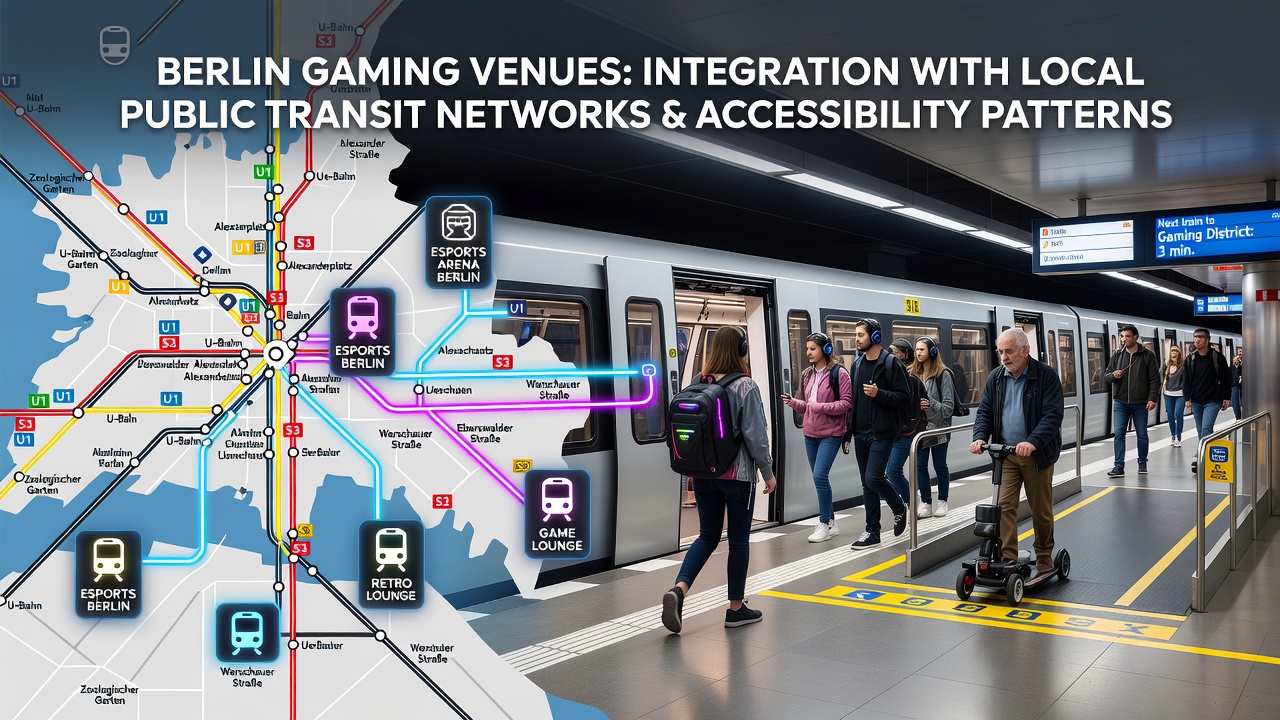 Berlin gaming venues maintain close connections to the city's extensive public transit systems, including the U-Bahn, S-Bahn, trams, and buses operated primarily by the Berliner Verkehrsbetriebe. These links shape how patrons reach locations such as Spielbank Berlin and other licensed facilities across districts like Mitte, Charlottenburg, and Friedrichshain. Transport planners coordinate station placements with venue addresses, which reduces reliance on private vehicles and supports consistent foot traffic patterns throughout the week. Data from local authorities shows that most established gaming sites sit within 200 meters of at least one rail stop, creating predictable arrival routes for commuters. In November 2026, ongoing upgrades to the S-Bahn network added real-time accessibility indicators at several central hubs, allowing visitors with mobility needs to check elevator status before departure. This integration extends to bus lines that run late into the night, aligning with extended operating hours at select venues. Researchers tracking passenger flows note that weekday peaks occur between 18:00 and 22:00, when office workers transition directly from nearby stations to gaming floors. Accessibility features include level boarding at newer tram stops and tactile paving along pathways leading to venue entrances. Studies conducted by European transport institutes indicate these elements correlate with higher usage rates among diverse demographic groups who depend on barrier-free routes.
Transit Hub Proximity and Route Efficiency
Multiple venues cluster around key interchange points such as Alexanderplatz and Zoologischer Garten, where passengers transfer between lines without extended walks. Route planners publish updated maps that mark gaming locations alongside station exits, and digital apps from the transport authority provide step-by-step directions that factor in current service disruptions. Observers have documented how these digital tools reduce average travel times by approximately twelve minutes compared with earlier static schedules.
Bus routes supplement rail connections in outer districts, delivering direct service to facilities that opened after 2018. Night bus lines operate on the same corridors, maintaining coverage when rail services pause for maintenance. Figures released by regional mobility agencies reveal that over sixty percent of surveyed patrons at Berlin gaming sites arrive via public options rather than taxis or cars, a pattern consistent across both peak and off-peak periods.
Accessibility Infrastructure Updates
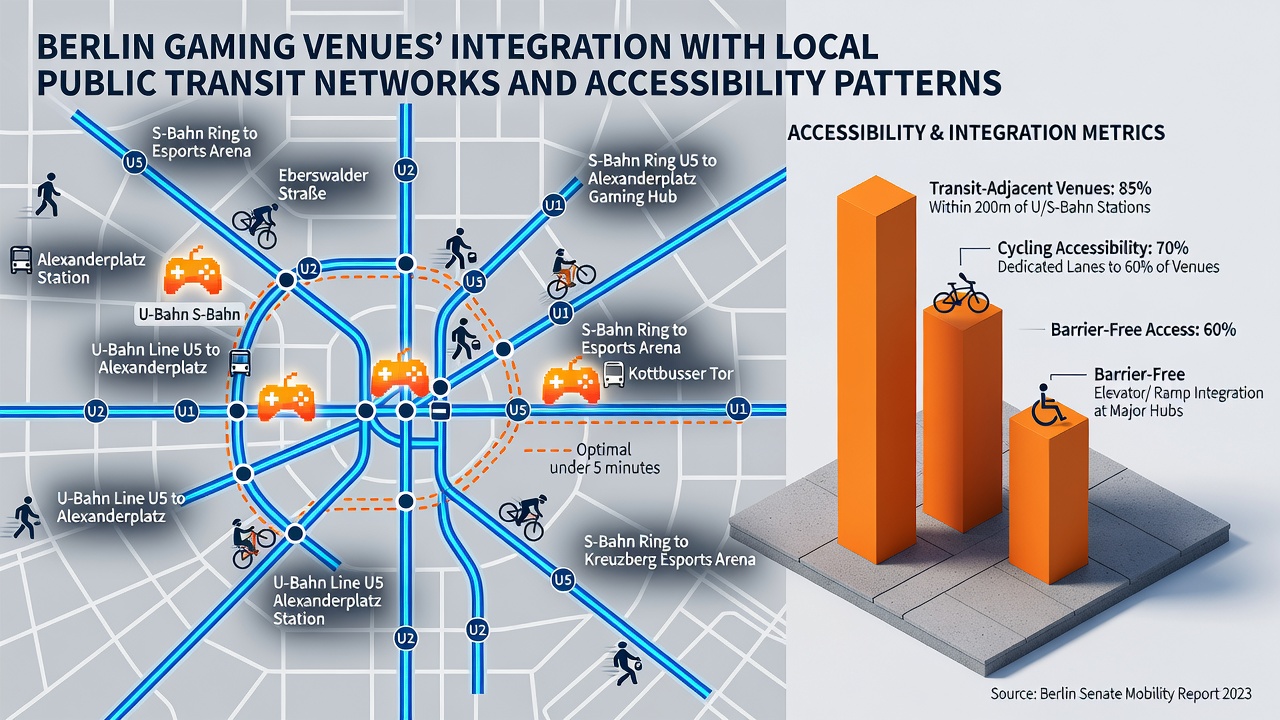 Accessibility standards require ramps, wide doorways, and audio announcements at stations serving gaming venues. In recent years, authorities installed additional elevators at high-traffic stops adjacent to larger facilities, addressing earlier gaps identified in municipal audits. Those who monitor compliance report that all major sites now meet or exceed the requirements set by German federal accessibility guidelines, which emphasize continuous pathways from transit exits to venue interiors.
Patrons with visual impairments benefit from standardized tactile strips and multilingual announcements on platforms. Data collected through user feedback programs shows steady improvement in reported ease of navigation since the rollout of these features in 2024. External analyses from international research bodies, including reports by the Australian Institute of Health and Welfare on urban mobility models, highlight similar integration successes in comparable European cities that Berlin has adapted locally.
Patterns in Patron Travel Behavior
Travel surveys conducted quarterly capture how different age groups and mobility profiles interact with the combined transit and gaming network. Younger visitors tend to favor direct U-Bahn lines during evening rush hours, while older demographics show preference for tram routes with fewer transfers. Venue operators coordinate with transport providers to align event schedules with last-train timings, minimizing stranding risks for late departures.
Seasonal variations appear in ridership data, with increased bus usage during winter months when rail platforms face weather-related delays. These adjustments reflect ongoing collaboration between gaming operators and the city's mobility planning teams, ensuring routes remain viable year-round. External links to resources such as the BVG service updates allow real-time tracking that supports these travel decisions.
Future Network Expansions
Planned extensions to the U-Bahn lines through 2028 target additional eastern districts where new gaming permissions have been granted. Project timelines released by city planners include dedicated accessibility reviews at each new station, with particular attention to elevator capacity and platform height alignment. Early modeling suggests these additions will shorten average journey times by eight to fifteen minutes for residents in those areas.
Coordination meetings between stakeholders continue to address capacity during major events, when temporary surges in passenger volume test existing infrastructure. Records from prior expansions demonstrate that integrated planning reduces bottlenecks and maintains service reliability for all user groups.
Conclusion
Berlin's approach to linking gaming venues with public transit relies on coordinated station placement, ongoing accessibility upgrades, and data-driven route adjustments. These elements combine to support reliable access patterns that adapt to changing ridership needs. Continued investment in both rail and bus systems, alongside compliance with federal standards, sustains the current framework while preparing for additional growth in the coming years.